

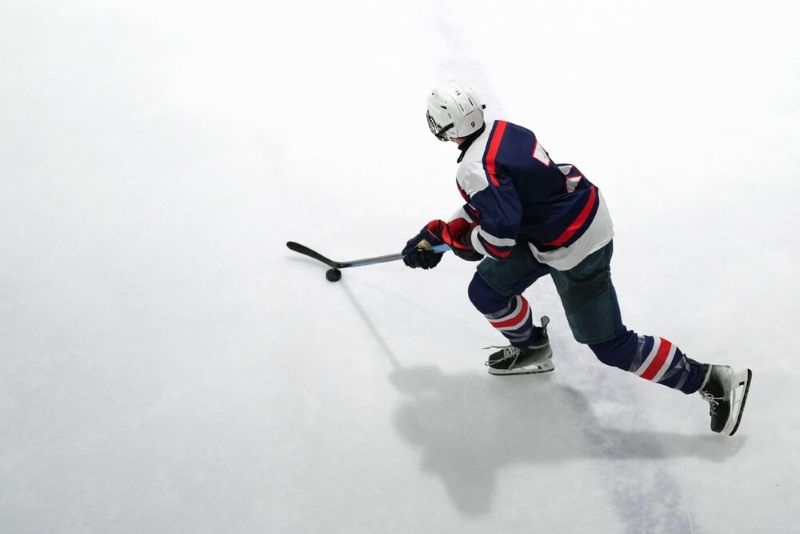
The core of a player's safety in hockey is the use of protective equipment that leverages current technology and smart design to mitigate the impact of other players. Protective equipment, such as shin guards, padded pants, and shoulder pads, is essential to play hockey safely.
In addition to protecting against being hit by other players or contact with a stick or puck, protective equipment helps players perform better by making them feel more confident. When you use high-quality, well-made equipment, you will experience greater durability, comfort, and freedom of movement while playing at a high intensity.
Hockey protective equipment is the primary means by which hockey players are kept safe on the ice, using advanced materials and smart designs to minimize the risk of injury from contact with other players, sticks, or pucks. Each piece of hockey protective equipment has an important role in protecting players, from hockey sweat pads to specific shoulder pads, hockey protective pants to shin pads, and more.
Hockey safety equipment is not only designed to prevent collisions with others (players, sticks, or pucks), but also can help improve an athlete’s confidence and performance in competition. To make sure players get the most enjoyment possible from "hockey,” they should buy high-quality ice hockey protective equipment; these products offer the best durability, comfort, and full range of motion while playing hard, fast, and at a high level.
The main function of hockey equipment is to help prevent impact injury when you are in contact with another player’s body or through various kinds of contact with objects on the surface of the ice as such; all the protection distributes/distributes/diverts total impact to various parts of your body (due to multi-layered/some different configurations of materials) so as to lessen the damage.
Without proper equipment, even the smallest impact could cause an injury. A hockey pads guide will help players choose a set that fits properly and withstands the high levels of impact from playing the game.
Modern-day hockey protective equipment is made from lightweight, durable materials that allow players to move freely while remaining protected. This is important for both new and experienced players.
Ice hockey players have a complete set of protective gear that includes a helmet, gloves, shoulder pads, elbow pads, shin pads, and padded shorts, each targeting a specific area of the player's body that may suffer an injury due to an impact with another player, an object, or the ice surface itself.
Shoulder pads protect the chest area as well as the shoulder and upper spine, while shin pads protect the lower leg from pucks and sticks. Together, these two items make up your total hockey protective equipment system.
The fit of your hockey protective gear is the most important factor in maximizing your protection. If the protective gear does not fit properly, it will not provide maximum protection because it will be too loose, allowing it to move around during play and increasing your risk of injury.
A hockey pads guide will provide you with ways to properly measure your body size, try on various sizes of hockey pads, and ensure you have properly fitting shoulder pads and shin pads so you can maximize your protective equipment while remaining comfortable.
To choose the right protective equipment for ice hockey, consider your level of play, style, and position. A well-organized guide to hockey pads will help you make an informed decision when purchasing hockey safety equipment.
The purpose of shoulder pads in hockey is to provide maximum protection while allowing the player to move freely. Look for shoulder pads for hockey that have adjustable straps, breathable material, and padded areas with a combination of soft and hard padding.
Advanced shoulder pad designs for hockey feature segmented foam for greater flexibility and enhanced protection against impacts. This will allow the player to play at a high intensity without being impacted by fast-moving objects.
Read Next: Essential Hockey Equipment List: Must-Have Gear for Players
Hockey shin guards are designed to protect the player’s knees and shins from being struck by a puck at high speed or accidentally by a stick. Properly fitted shin guards that align with the player’s skates provide the best protection and the highest level of comfort; thus, they are an essential part of any player’s safety equipment.
When choosing ice hockey protective equipment, look for materials such as high-density foam and rigid plastic. Quality equipment should provide maximum shock absorption while remaining durable enough to last for several years.
Durability is an important factor to consider when choosing safety equipment for hockey; high-quality shoulder pads and shin guards will continue to provide good value over many years of use.
It is important to keep your ice hockey protective gear in good condition; equally, it is an important factor when choosing the right equipment. Properly caring for your gear will allow you to use it for as long as possible and maintain the same level of performance every time you use it.
After each use of your ice hockey protective equipment, you must dry it completely to avoid the development of odors or bacteria. To help prevent the development of these two things, you should regularly wipe down your shoulder pads and shin guards with a mild disinfectant.
Having good airflow will help keep your ice hockey protective equipment clean and in good condition, leading to greater comfort and longer-lasting use.
You should also take the opportunity to inspect your hockey protective equipment for wear and tear. Problems such as cracks, broken straps, and broken shoulders will already reduce their safety.
If you read a good hockey pads guide, you will find that any shoulder pads or shin guards that have damage should be replaced immediately for continued player safety.
After each use, store your ice hockey protective gear in a cool and dry location. You should also store it so that no heavy items can crush it.
When storing your ice hockey protective equipment, proper storage helps preserve its original structure so it performs as if new before each game.
Also Read: Best Hockey Ball Buying Guide: Tips for All Levels of Play
Anyone who is genuinely committed to ice hockey should invest in the necessary protective apparel because improperly fitting pads and helmets can greatly impact both safety and performance; therefore, understanding hockey pads standards, selecting shoulder pads and shin guards, as well as properly fitting them to the player's body, are all critical to an injury-free season.
Properly constructed, correctly fitted, and properly maintained equipment will instill confidence in players when participating in ice hockey, thereby reducing the risk of injury. If you put safety first, your level of play will follow suit.
Replacement of ice hockey safety gear will depend on usage frequency and whether there is visible wear. For example, a competitive player will typically need to replace their gear every year, while someone who plays ice hockey casually may have a much longer lifespan for their ice hockey safety gear. Regular inspections of ice hockey safety gear should be conducted to ensure that equipment such as shoulder pads and shin guards provides adequate protection during intense parts of the game.
A beginner can use professional-level safety equipment, although there may be no need to do so initially. When starting out, beginner-level ice hockey safety equipment should provide adequate protection and comfort, and therefore, a beginner player should begin to upgrade their shoulder pads and shin guards as their skill levels improve because they will then be more durable, contain more advanced levels of protective features, and provide better overall performance during competition.
Comfort from ice hockey safety gear is determined by airflow (ventilation), adjustable straps, and lightweight materials. Newer technology for making ice hockey safety equipment also includes moisture-wicking liners and ergonomically designed safety gear. Properly fitted shoulder pads and shin guards increase flexibility, reduce fatigue, and allow ice hockey players to play with confidence for longer periods.
Cost-effective hockey safety gear provides good protection and is suitable for each player. The best ice hockey protective gear is not necessarily very expensive. Shoulder Pads and shin guards for hockey that properly fit and can be worn comfortably offer much greater protection to the player than do any other types of expensive gear that do not fit the player properly.
Climate conditions will vary in terms of the amount of moisture in the equipment and the amount of sweat produced during ice hockey play. In humid conditions, equipment will require more ventilation and must dry properly. Equipment made from breathable materials provides good ventilation, keeping the player's shoulder pads and shin guards dry and providing continued protection and comfort during intense play in an ice hockey game.
This content was created by AI