

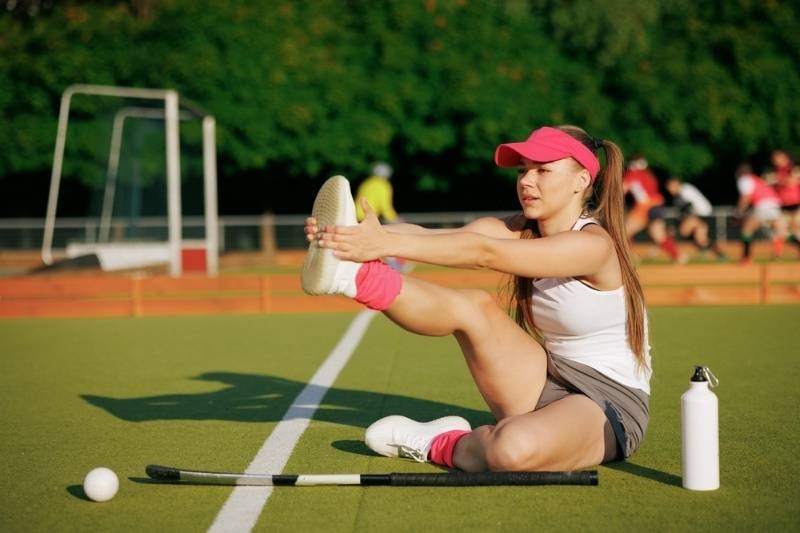
Hockey looks fast, no question. But if you look closer, all that speed comes from control. Tight turns, sudden stops, quick bursts, crazy lunges for the puck—your body’s juggling a lot, sometimes in just a few seconds. That’s why mobility and stretching actually matter.
Most players zero in on strength or stick skills, which makes sense. But if your hips barely move or your ankles don’t bend much, everything else gets harder. Your stride feels tight. Shots don’t pack the same punch. Even recovering after games slows you down.
Mobility and stretching aren’t just for feeling loose. They help you move better, react faster, and stay on the ice longer without breaking down. Here’s how it fits together.
Before jumping into exercises, let’s clear something up: mobility isn’t just flexibility. Flexibility lets you stretch a muscle. Mobility means you can actually control that range of motion when it counts—when you’re moving, skating, reaching, or staying balanced—a big difference.
Hockey demands low stances, open hips, and non-stop shifts in balance. If your joints don’t move well, your body finds awkward ways to get the job done. That’s when problems creep in.
You might coast along for a while. But eventually, those problems add up.
Here’s the real kicker: better mobility doesn’t just cut your injury risk. It makes you play better right away. Your stride feels smoother. You change direction faster. You use less energy.
A lot of players just stretch and call it good in hockey training. Doesn’t cut it. Flexibility is passive—you’re just lengthening a muscle. Mobility is active—you’re controlling movement all the way through. Think of flexibility as unlocking the door, while mobility is you walking through it, steady on your feet.
You’ve got to mix flexibility with movement drills if you want results. Stretching by itself won’t stick.
Honestly, you don’t need some overly long routine. Just something steady and consistent will do.
Forget marathon sessions—you’ll get more out of a focused 10 or 15 minutes than a random 45.
This part trips players up. Dynamic stretching involves moving things, like leg swings, walking lunges, or rotations. Static stretching is just holding a stretch, like reaching for your toes and staying there.
For hockey:
Here’s something quick you can use before you step on the ice:
The best exercises match the movements you do in a game. Focus on the hips, ankles, and the rotation in your torso.
Let’s zero in on a few that move the needle.
Your hips are the heart of your stride. If they’re stiff, you lose drive.
Try these:
You’ll feel the difference after a few weeks. Most players notice it faster than they’d think.
Ankles get ignored, but they’re your secret weapon for balance and quick moves.
Try:
Small moves—big upgrade on the ice.
Upper body rotation plays a major role in shooting power. If your thoracic spine is stiff, your shot becomes arm-dominant. Less power, less accuracy.
Helpful drills include:
These improve rotation without stressing your lower back.
Way too many players rush through warmups—maybe jog, shoot a couple pucks, and call it done. But a smart warmup changes how you play from the first shift.
Start slow, then dial up the intensity:
Wake up your muscles and brain before expecting max speed. Skipping this part is like redlining your car on a cold winter morning—not great.
Let’s be real: most guys make these mistakes at some point.
You can fix this. Focus, and take your warmup seriously. Make it count.
A lot of hockey injuries come from little things piling up, not just big hits. Tight muscles keep tugging on joints—then one day, you tweak something.
Some areas take more load than others in hockey.
Pay attention to:
If these areas are tight, your movement pattern changes. That’s when injuries sneak in.
Here’s a good rule of thumb:
You don’t need to be perfect. You just need to stay regular. Even quick sessions add up.
Mobility isn’t a magic fix for speed and power, but it makes real strength training work better.
If your joints move well, squats, deadlifts, and core exercises do more for you. Go for:
Now you’re building strength that actually translates on the ice.
Also Read: Loaded Stretching Hockey: Unlock Strength and Mobility
Mobility and stretching don’t get the spotlight in hockey, but they quietly boost everything you do. Better movement means better skating, slicker transitions, and more stamina.
You don’t need fancy routines, just real consistency. Stick to a smart stretching plan with some targeted mobility drills. Over time, you’ll feel the difference in your stride, your shift, and the way you recover after games.
Give it an honest try. That change sneaks up on you. Once you feel it, you won’t look back.
Yes, it can. Better hip and ankle mobility allows for longer, more powerful strides and improved edge control. Over time, this leads to smoother and faster skating without extra effort.
Yoga can be very helpful. It improves flexibility, balance, and body awareness, which all support hockey performance. However, it should complement, not replace, sport-specific mobility exercises.
Not exactly. Goalies need more emphasis on hip flexibility and groin mobility due to their movement patterns. While some exercises overlap, goalie routines should be slightly more specialized.
One common mistake is inconsistency. Players stretch only when they feel tight or sore. Regular mobility and stretching sessions, even when you feel fine, make the biggest long-term difference.
This content was created by AI