

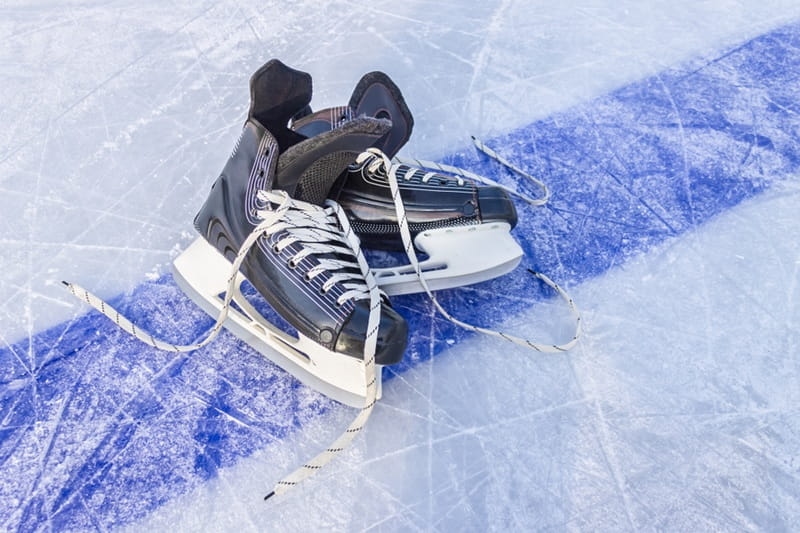
To be successful on the ice, skaters need precision in every aspect of their skating performance. A split-second glide, a quick turn, or a solid stop can change the outcome of any game. However, an often-overlooked aspect of a skater's success is the regular maintenance of their hockey skates.
Whether you are a competitive player or just an occasional recreational player, taking care of your skates is not optional, but rather essential. In addition to increasing skater performance, proper maintenance of your skates provides added safety and secures your investment in high-end hockey equipment. This guide will provide tips on caring for your skate blades, regularly sharpening them, maintaining your other equipment, and protecting the edges of your skates from rounding. You will then be able to skate with confidence every time you step onto the rink.
Your skates are the core of your skating game. Lack of regular skate blade maintenance will limit your control over your skates, slow your acceleration, and increase your risk of injury. If blades are not maintained regularly, they can even warp over time, damaging the boot structure.
Only when your skate blades have a properly sharpened edge(s) or clean edge(s) can you:
Use your strength to overcome tiredness caused by unwanted compensation from dull skate blades, which can make you skate inconsistently.
Former injuries related to sports equipment, according to the CPSC (U.S. Consumer Product Safety Commission), are often attributed to improper maintenance and/or worn components. Although our sport is physical, maintaining the blades on your skates and boots to perform optimally will reduce the risk of preventable injury.
High-end hockey skates can be extremely expensive. Without regular maintenance of your hockey equipment, your hockey equipment can suffer extensive damage from moisture, rust, and structural failure, resulting in a significant decrease in the life of your hockey
equipment, making maintenance a necessity for both performance and the preservation of your hockey equipment's value.
One of the frequently asked questions by players is "When is the right time for sharpening my skates?" The timing of when you should sharpen your blades depends on several factors, including the amount of ice time you play, your skating style, and ice conditions.
The following recommendations are based on an expert opinion on skate sharpening:
One of the important points about sharpening your blades is not only about the number of times that you sharpen them, but the quality of the sharpening job.
Expand Your Knowledge: What Is Hockey Sense & How Can You Develop It With Training?
The hollow is the groove cut into a hockey blade during sharpening. It plays a role in how much grip (i.e., sharpness) or glide (i.e., dullness) you have with a skate.
Consult with an experienced sharpener to help you match your hollow with your skating style.
If you have experienced any of these, you may want to consult your local skate sharpening guide.
Skate blades are very important to how the skates perform; therefore, proper care for your skate blades will ensure maximum edge quality and help prevent rust.
After every use, the moisture created by your skating must be removed, as it is the enemy of your skates:
Do not leave your skates in your hockey bag overnight! Trapped moisture will accelerate blade corrosion.
Use soakers and hard guards correctly (understanding the difference between skate edge protectors is key):
Do not store skates with hard guards on, as they can trap moisture, which can lead to rust.
Check blades for damage on a regular basis - some things to look for include:
Some minor rust can be cleaned by gently using a fine honing tool; however, any deep rust will require a professional tune-up.
Hockey skate care goes beyond just caring for the blades; it also includes keeping the boots and other structural parts of the skates well looked after. Maintaining the boots involves keeping them clean and dry by removing the insoles after you skate, loosening the laces to allow for air circulation, and storing them in a cool, dry, and well-ventilated area away from any direct heat sources (i.e., radiators/hairdryers) to help prevent any warps in the composite material.
Checking the rivets and eyelets is another important maintenance step that should be done each month to ensure the maximum level of support and stability is allowed from the skates. You should check for missing rivets or holders, loose holders, and cracked eyelets. Most professional hockey pro shops can quickly and affordably replace any rivets.
Care for your laces and insoles is also important, as frayed or worn laces can reduce ankle support and increase injury potential; you should replace laces at the first sign of fray or wear, as well, and if you are able to upgrade the insoles, that too can help with comfort and power transfer while skating.
Don’t Miss This: Explained: Boarding in Hockey with Rules, Risks, & Penalties
Definitely. Top-level players have their skate maintenance rituals.
Regular professional sharpening is done by a qualified technician to ensure:
Unqualified techs may cause permanent damage to the runners. Therefore, avoid untrained technicians.
Blade profiling lets skateboards shape their blades to improve speed, agility, or stability. It's a more expensive service, but for elite athletes, it makes a huge difference in their performance.
To keep it simple, follow this luxurious and pragmatic routine.
1. Wipe blades dry
2. Air-dry the boots
3. Use soakers
4. Store properly
1. Inspect edges
2. Check for rust
3. Inspect rivets
1. Follow your skate sharpening guide schedule.
2. Replace worn laces
3. Deep-clean the exterior of skates
Consistency is the true sign of elite players.
Explore This Topic: Store Your Hockey Stick Properly to Prevent Warping
The sport of hockey relies on dexterity and power to play. The progression of movement (thoughts -> actions, on the ice) is accomplished through your skates. With proper skate maintenance, your performance, safety, and equipment longevity can be sustained.
Using the Correct Skate Sharpening Guide & consistent blade-specific skate care & investing in proper edge protection for your skate blades will help optimize your overall game performance where possible. Think of taking care of your equipment as much more than merely “maintaining” your gear – it’s optimizing your performance for consistent results.
Once you establish the habit of treating your skates as professional tools, you can count on them to provide you with speed, control, and confidence every time you put them on for practice or a game.
Most hockey players can use a skate sharpening schedule that states skates should be sharpened every 8-15 hours of ice time. This is a guideline, but how often do you sharpen your skates? Are you an aggressive skater on rough ice and are you using a different edge?
To care for your skate blades, always dry them off immediately after use, keep them in a moisture-absorbing soaker, and never leave your skates inside hard guards to protect blades.
Yes. If you do not take care of your hockey equipment, you can develop dull edges, rust, loose rivets, and a lack of glide, which will affect your acceleration, balance, and ability to stop when you are competing or playing recreationally.
This content was created by AI